
Benefits of Coloring Books for Kids Brain Development
Coloring books are often seen as a simple pastime for children, but they offer much more than just entertainment. Research and child development experts suggest that coloring plays an important role in a child’s brain development. It supports creativity, focus, motor skills and emotional growth in a fun and natural way.
In today’s screen-dominated world, coloring books offer a healthy and productive alternative that helps children grow mentally and emotionally. Let’s explore the key benefits of coloring books for kids in detail.
In this article, we will explore the key benefits of coloring books for kids and why parents should encourage this activity regularly.
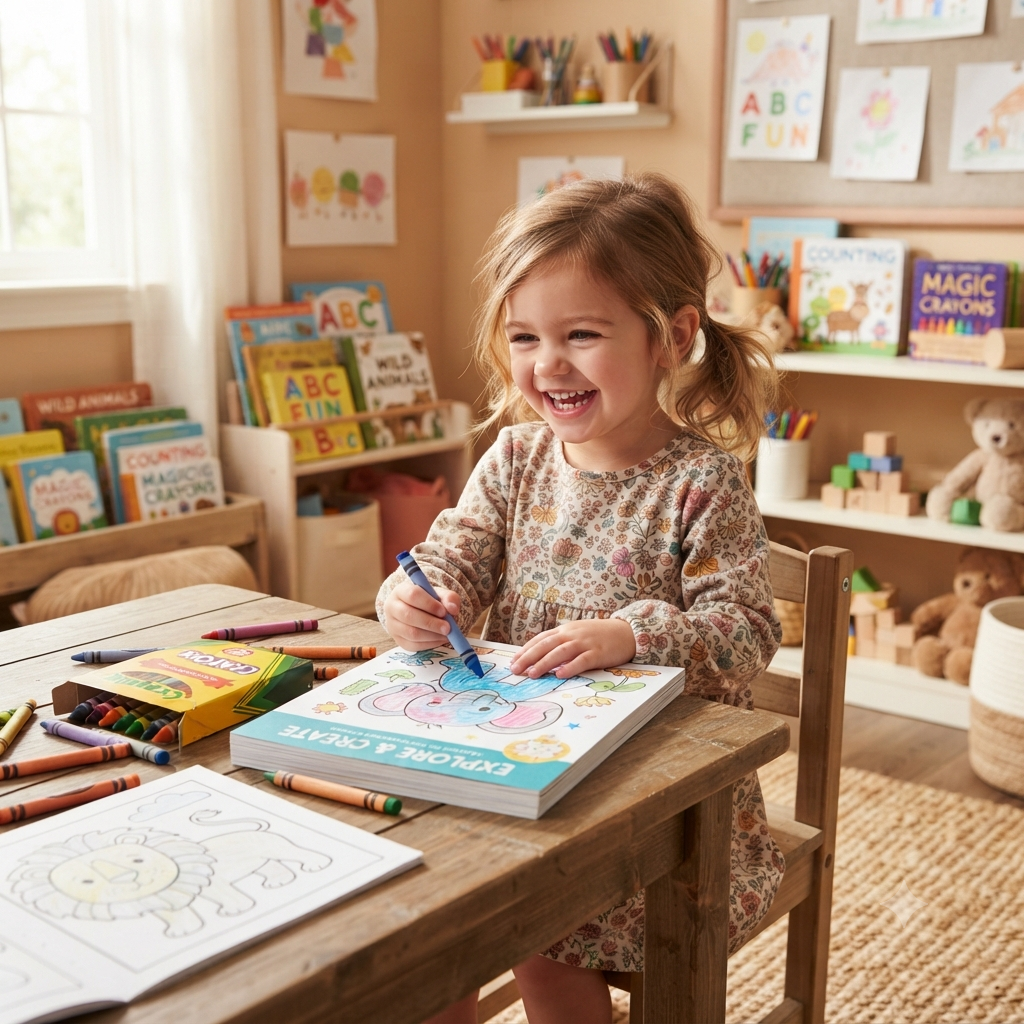
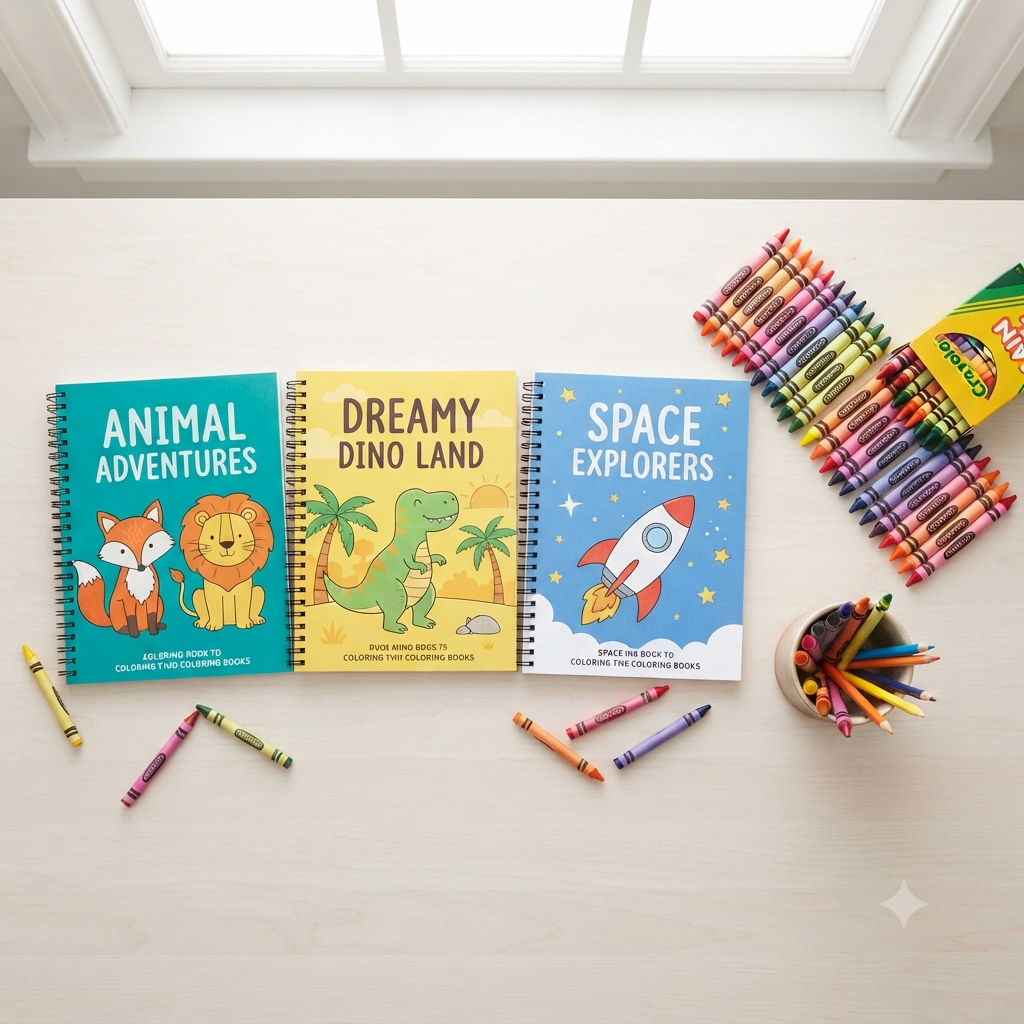
1. Stimulates Brain Development
Coloring activates both the left and right hemispheres of the brain.
- The left side handles logic, structure and decision-making (such as choosing colors and staying within lines).
- The right side supports creativity, imagination and visual thinking.
This combination strengthens neural connections and supports overall cognitive development in children.
2. Improves Focus and Concentration
Many children struggle with short attention spans. Coloring requires them to slow down, pay attention to details and complete a task. Over time, this practice improves their ability to concentrate on other learning activities as well, including reading and writing.
3. Develops Fine Motor Skills
Holding crayons, controlling pressure and making careful hand movements help strengthen the small muscles in the fingers and hands. These fine motor skills are essential for writing, buttoning clothes, using utensils and other everyday tasks.
4. Encourages Creativity and Self-Expression
Coloring gives children the freedom to make their own choices. They decide which colors to use and how to fill the page. This freedom builds creative thinking and helps them express emotions and ideas without fear of being wrong.
5. Supports Emotional Development
Coloring has a calming effect on children. It can reduce stress, anxiety and restlessness. Completing a coloring page also gives children a sense of achievement, which boosts confidence and emotional well-being.
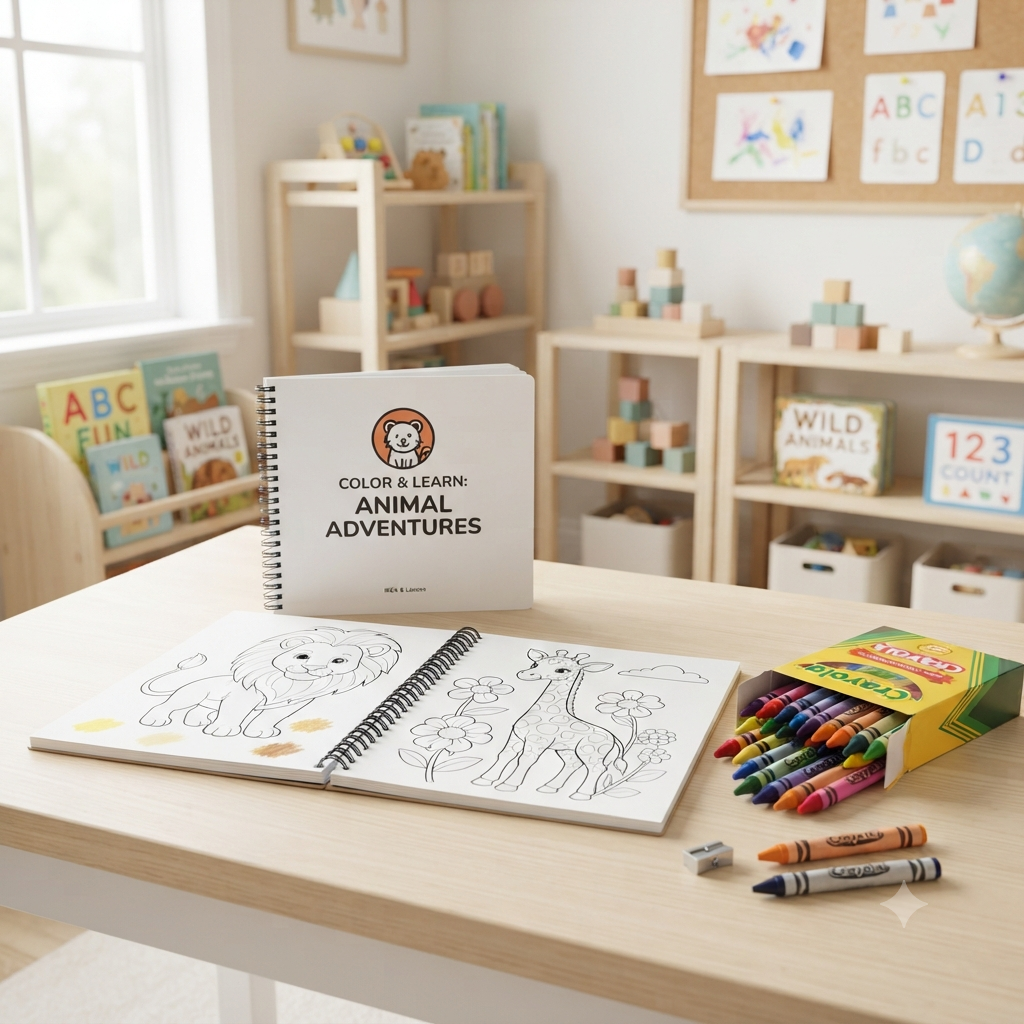
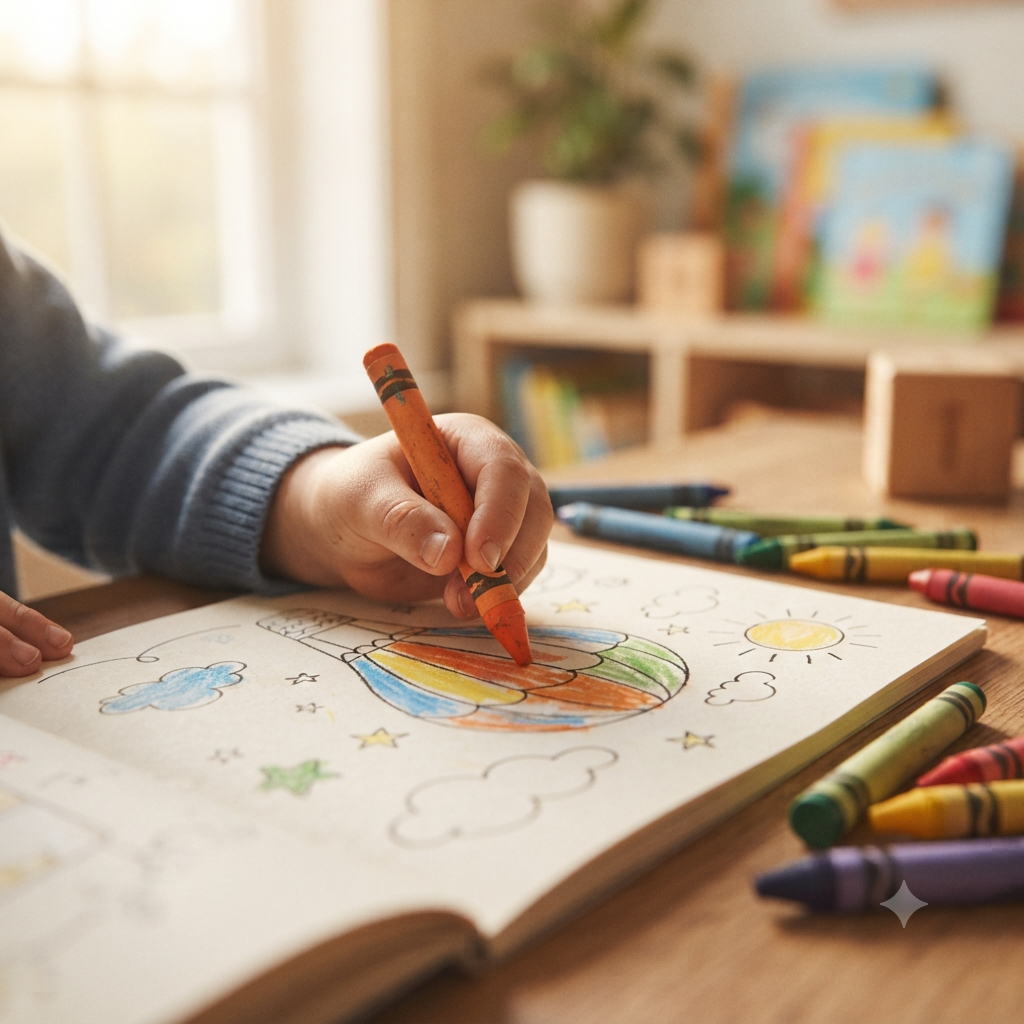
6. Helps in Language and Cognitive Skills
While coloring, parents can talk about colors, shapes, animals and objects on the page. This interaction supports vocabulary building, observation skills and early learning in a playful manner.
7. Prepares Children for Writing
The hand control and pencil grip developed through coloring directly support handwriting skills. Children who color regularly often find it easier to write neatly and comfortably when they begin formal writing practice.
8. Improves Hand-Eye Coordination
Coloring requires children to coordinate what they see with how their hand moves. This improves hand-eye coordination, which is useful in sports, reading and many other physical and academic activities.
9. Builds Patience and Discipline
Completing a coloring page takes time and effort. Children learn to stay with a task until it is finished. This builds patience, discipline and a sense of responsibility.
10. Reduces Screen Time Naturally
One of the biggest benefits of coloring books is that they offer an engaging screen-free activity. Replacing even a small portion of daily screen time with coloring can have positive effects on a child’s attention and sleep patterns.
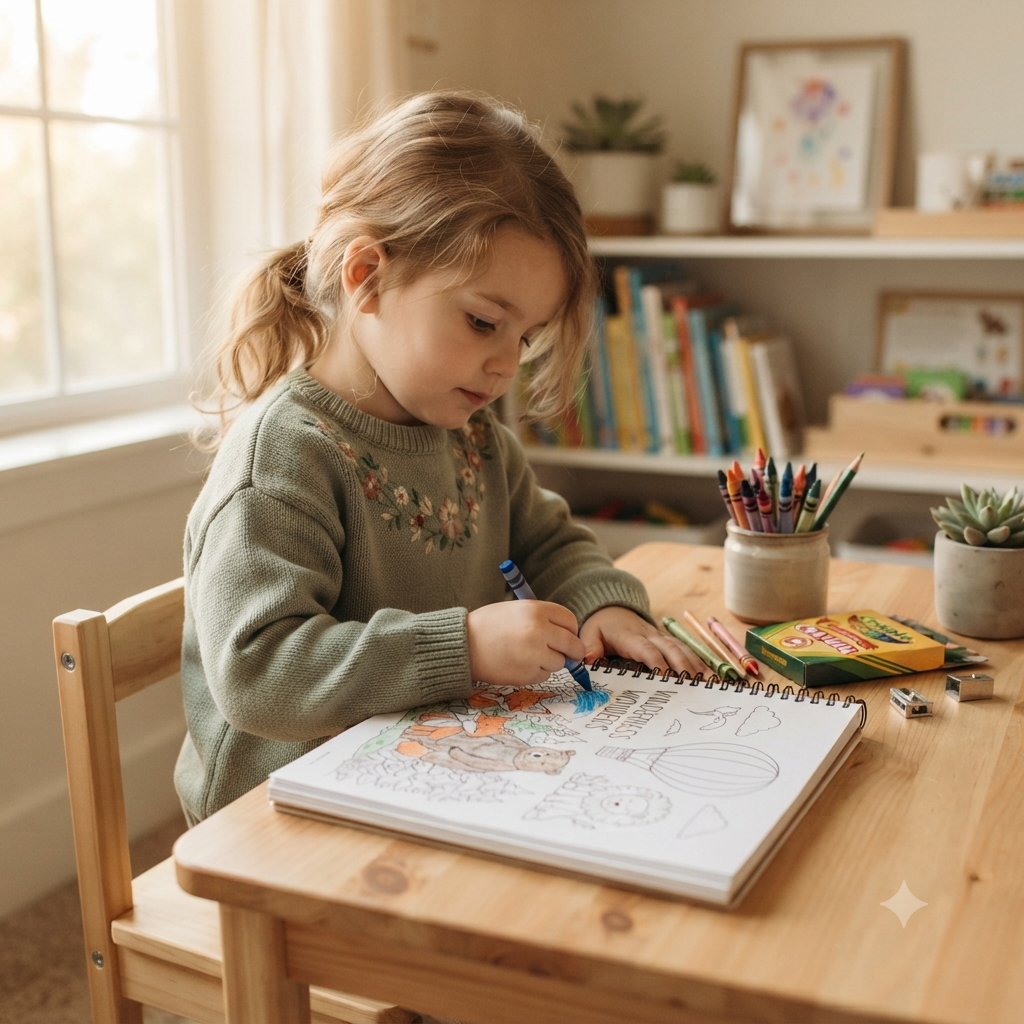
How Much Coloring Time Is Ideal?
Experts suggest that 15 to 30 minutes daily is enough. The activity should remain enjoyable. Forcing a child to color for long periods can reduce interest.
How to Choose the Right Coloring Books
For maximum benefit, select coloring books that have:
- Clear and bold outlines
- Age-appropriate designs
- Interesting themes (animals, nature, cartoons, education)
- Good quality paper
Younger kids benefit from simple large designs, while older kids can enjoy more detailed pages.
Tips for Parents
- Color together with your child to make it bonding time
- Praise effort, not just the final result
- Keep a variety of colors available
- Create a small comfortable art corner at home
- Avoid correcting their color choices too much
Final Thoughts
Coloring books are a powerful yet simple tool for child development. They support brain growth, improve focus, strengthen motor skills, encourage creativity and help reduce screen dependence.
In a busy digital world, giving your child time to color is one of the easiest ways to support their mental and emotional development. Make coloring a regular part of your child’s routine and enjoy watching their confidence and creativity grow.
Disclosure
- Start with small steps today and help your child develop beautiful and confident handwriting.
- As an Amazon Associate, I earn from qualifying purchases.
- Shop Now our collection of Digital Product Service.
Frequently Asked Questions (FAQs)
1. What are the benefits of coloring books for kids?
Coloring books help improve focus, creativity, fine motor skills, hand-eye coordination and emotional development in children. They also support brain development by activating both sides of the brain.
2. How do coloring books help in brain development?
Coloring stimulates both the left and right hemispheres of the brain. It improves cognitive skills, concentration, creativity and neural connections, which support overall brain development in kids.
3. At what age should kids start coloring?
Most children can start coloring between 2 to 3 years of age with simple large designs. As they grow, they can move to more detailed coloring books.
4. How much time should a child spend coloring daily?
15 to 30 minutes of coloring daily is enough. It should be a fun activity and not forced for long periods.
5. Can coloring books improve handwriting?
Yes, coloring helps develop pencil grip and hand control, which later supports better handwriting skills in children.
6. Are coloring books good for reducing screen time?
Yes, coloring books are an excellent screen-free activity. They keep children engaged while supporting creativity and focus without the use of mobile phones or tablets.
7. What type of coloring books are best for kids?
Age-appropriate coloring books with clear outlines, simple designs for younger kids, and interesting themes like animals, nature or cartoons work best.
8. Does coloring help in emotional development?
Yes, coloring has a calming effect on children. It helps reduce stress, improves mood and gives a sense of achievement, which supports emotional growth.